Problem
Since the pandemic, sedentary behaviour has risen sharply at home. Prolonged sitting carries serious long-term health risks, yet most existing solutions target the workplace.
Case Study
A wearable and app to reduce sedentary behaviour at home
Submitted to CHI 2025 Student Design Competition, this project aimed to reduce sedentary behaviour at home. I led a group of 5 to conduct user research, synthesise user needs, ideate solutions and present our final product SoleMate to researchers. The paper was published in 2025.
Since the pandemic, sedentary behaviour has risen sharply at home. Prolonged sitting carries serious long-term health risks, yet most existing solutions target the workplace.
We conceptualised SoleMate, a wearable slipper paired with a companion app that detects sedentary behaviour and gently nudges users to move.
We followed a user-centred process: identify problems, understand users, ideate, prototype, and test. The final product was iterated to better meet user needs.
We conducted:
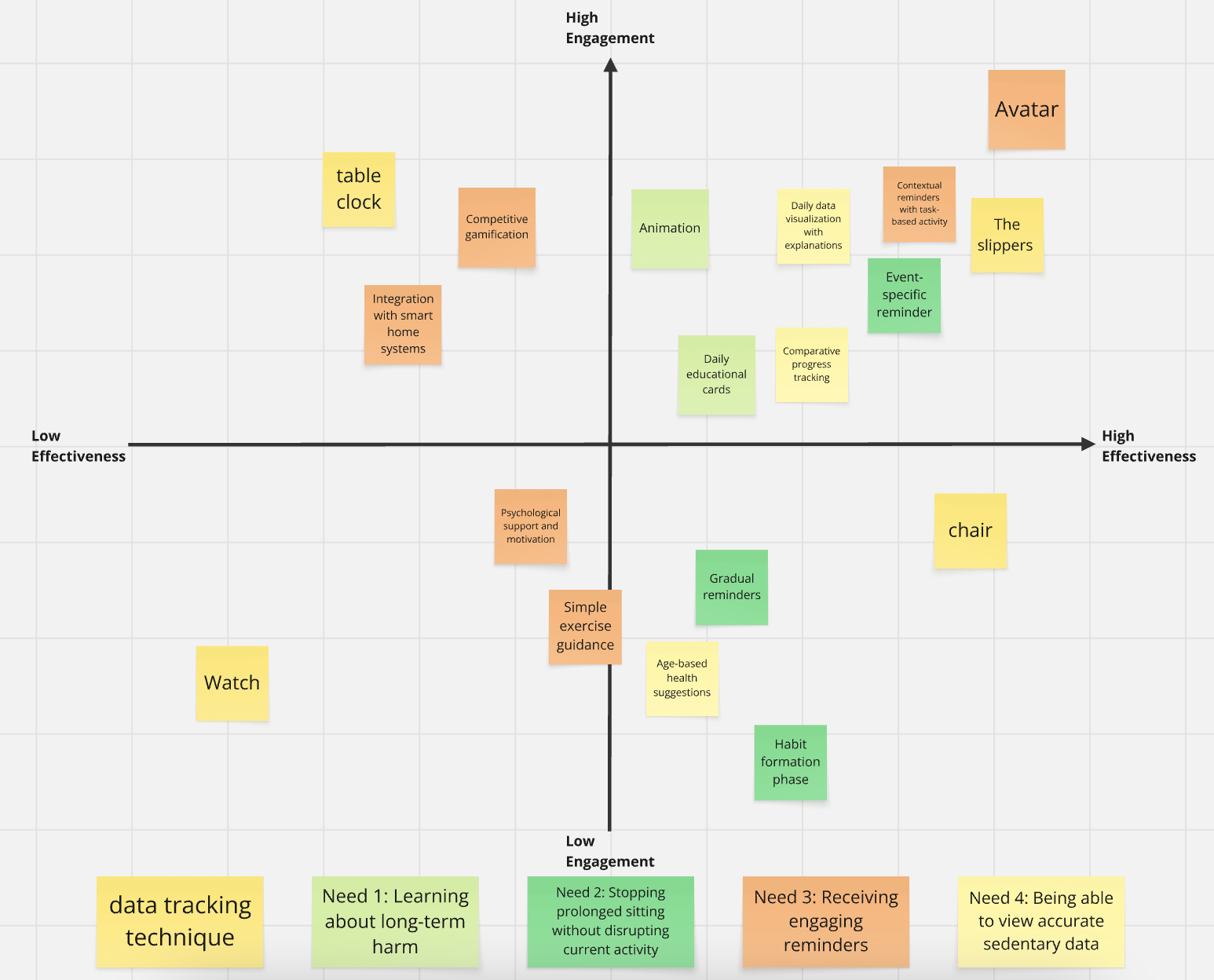
User needs
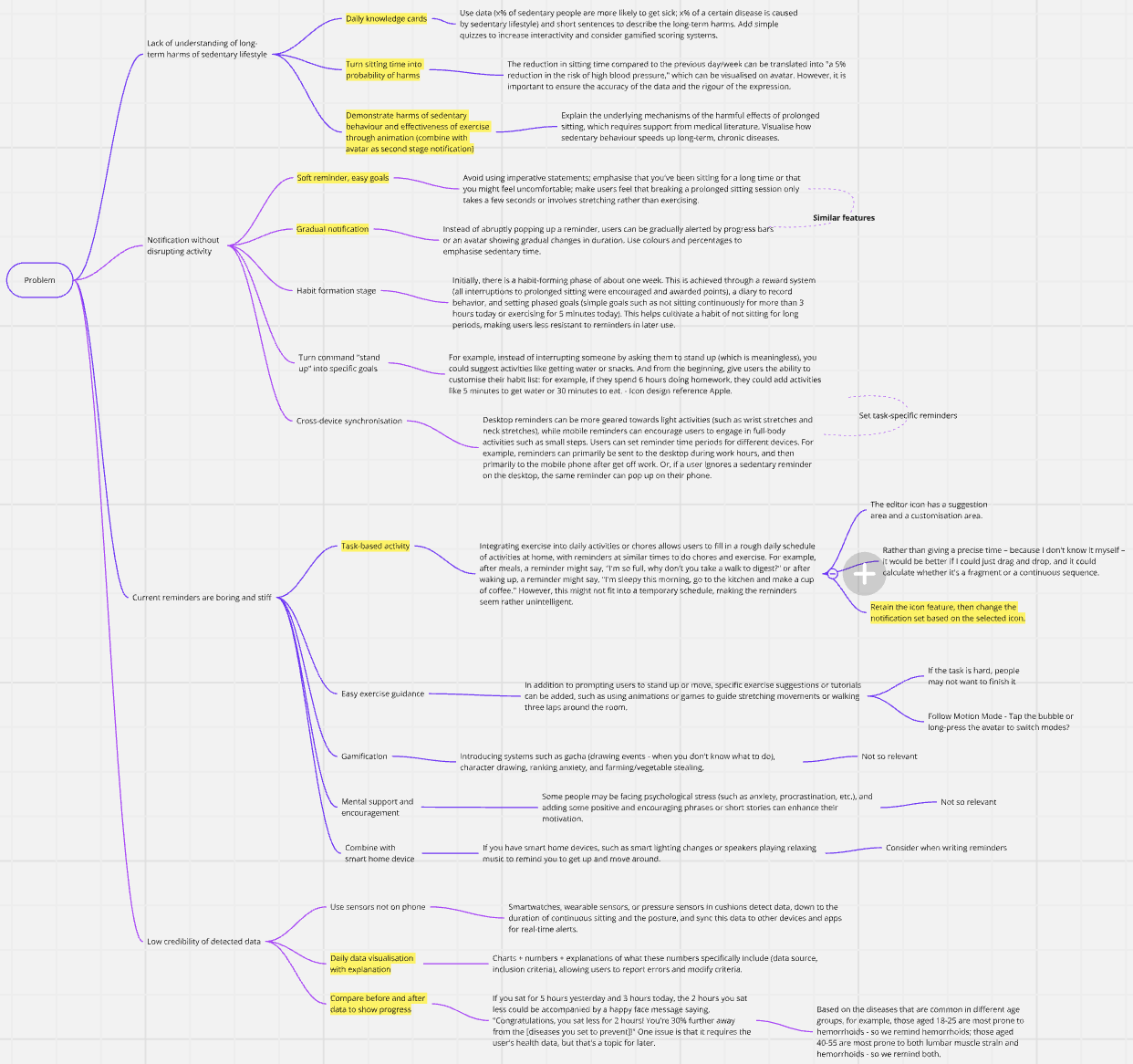
Many people underestimate how prolonged sitting harms long-term health, so clear, digestible education is key to motivating change.
Nudges should blend into daily life at home rather than interrupt or annoy the user.
Reminders need to feel friendly and rewarding so people act on them instead of dismissing them.
Users want reliable, personal data on their sitting patterns to understand and trust their progress.
We balanced effectiveness with seamless integration into daily life. As team lead, I drove feature decisions through group brainstorming, then evaluated low-fidelity concepts before committing to a direction.
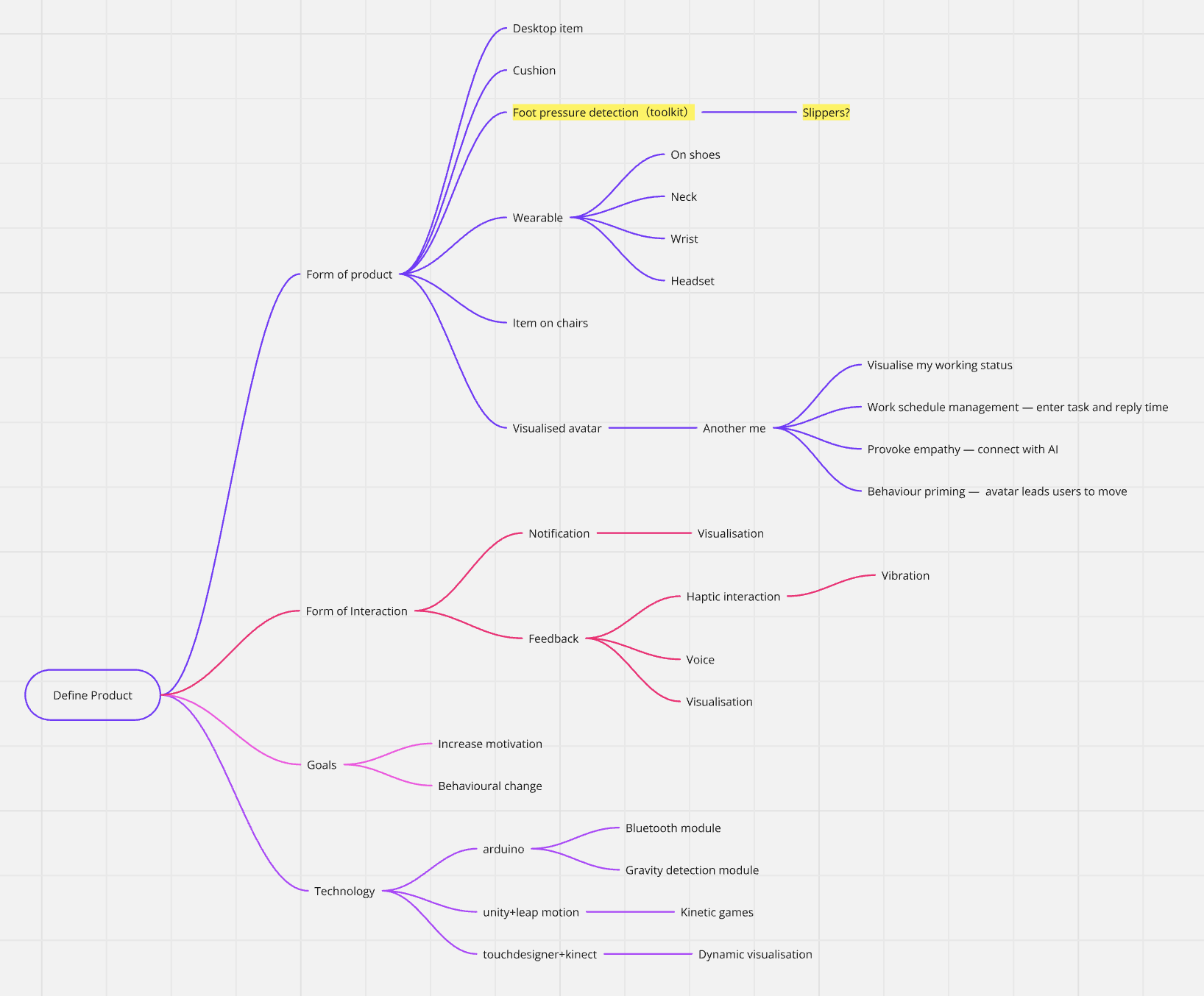
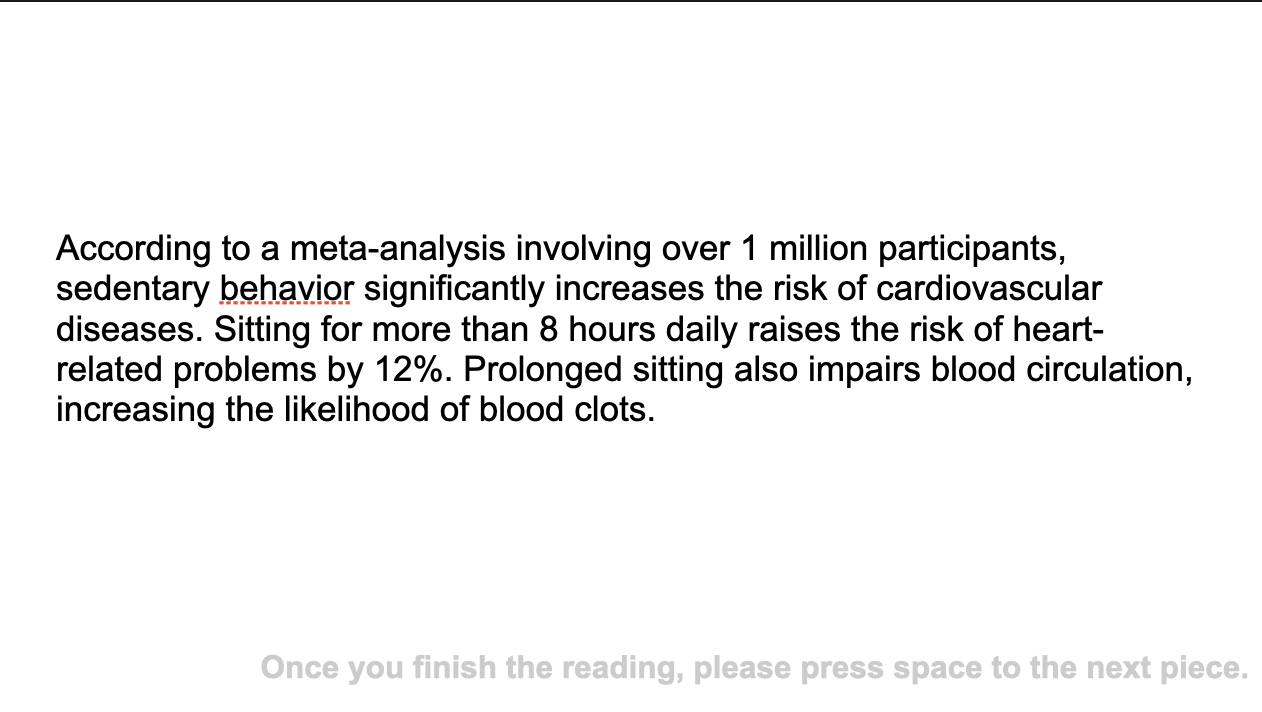
To test whether our core features satisfy users' needs, I designed a Wizard-of-Oz and A/B test. We compared different types of reminders, tested the effect of the avatar in education, and explored users' opinions on using slippers to detect sedentary behaviour.
Reminders
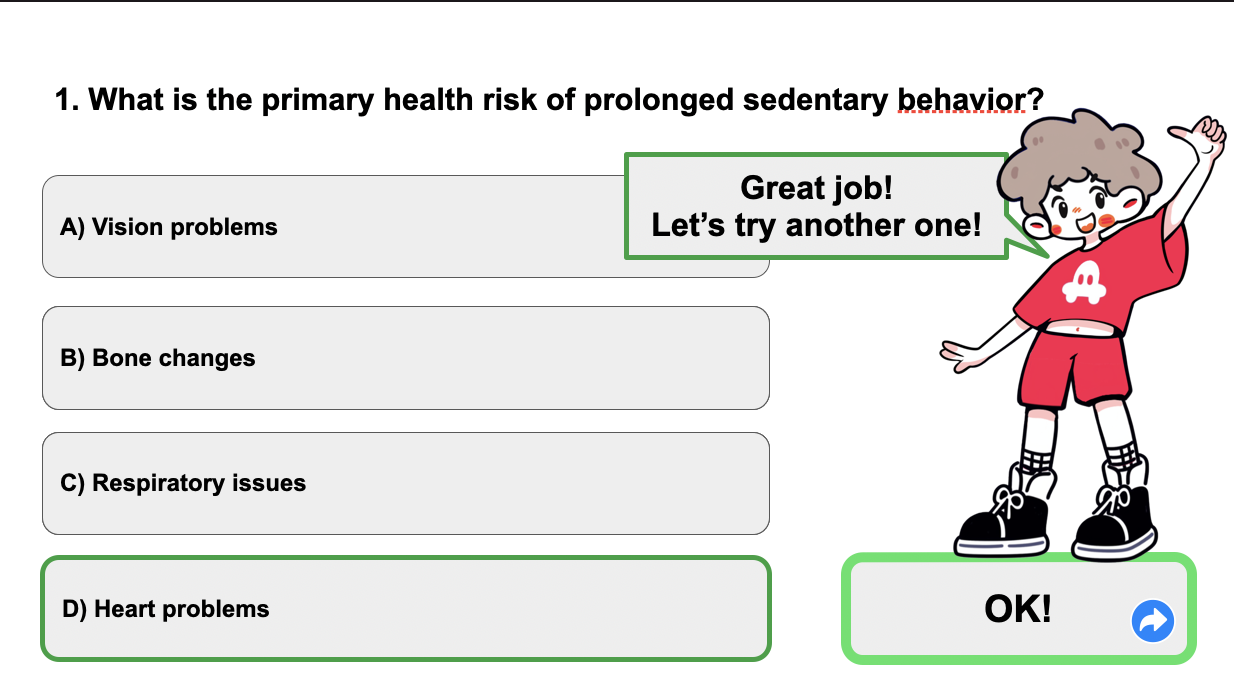
What we tested
We compared avatar-led reminders against standard push notifications.
What we found
Users found avatar-led reminders more engaging and easier to act on.
Avatar
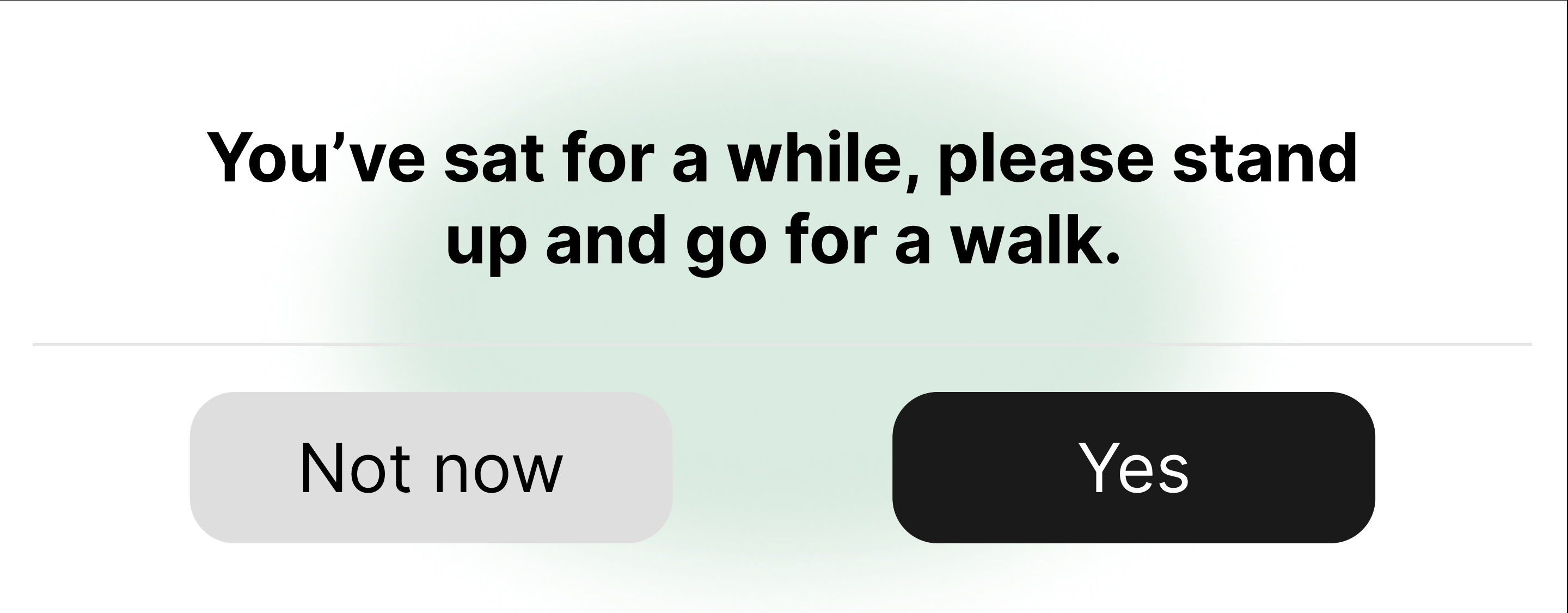
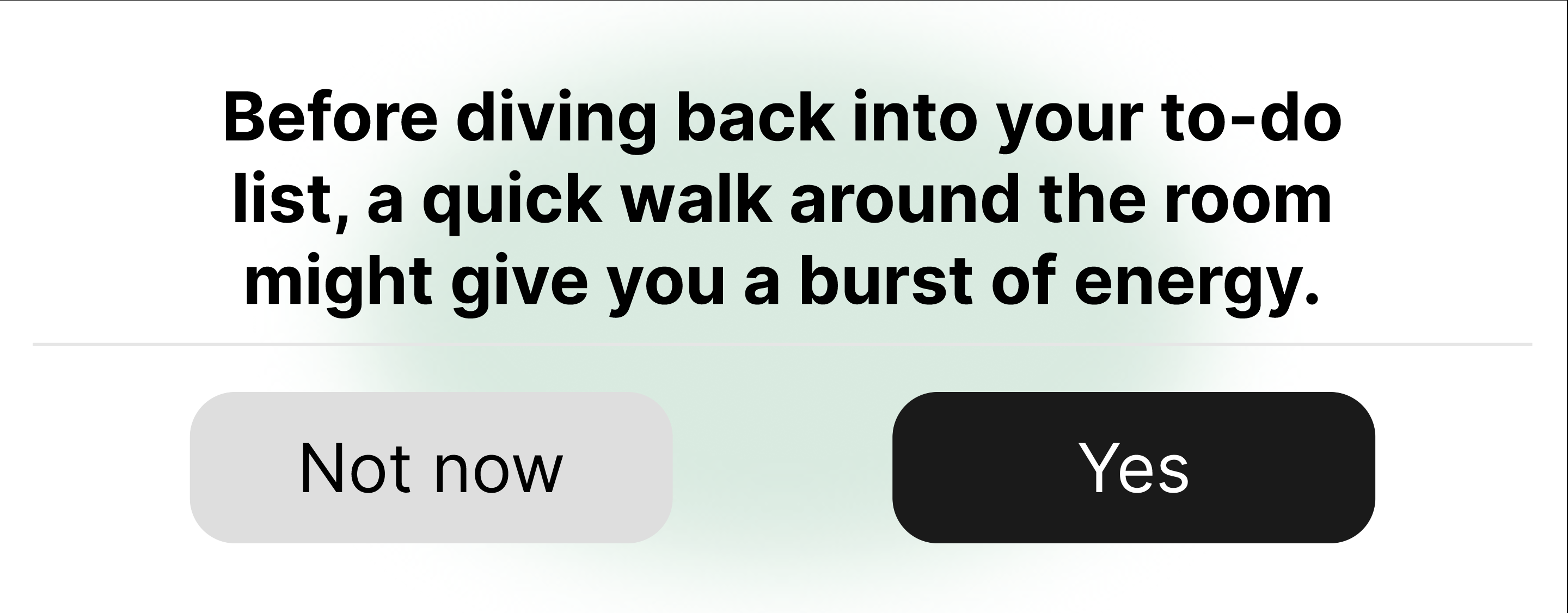
What we tested
We compared the experience with the avatar against without it.
What we found
The avatar built emotional connection and improved follow-through.
SoleMate is an app paired with a smart slipper. Together they detect sedentary behaviour, interrupt long sitting sessions, and help users build healthier habits at home.
Participants were reluctant to wear additional devices at home because they required extra effort and disrupted existing routines.
Instead of introducing another wearable, we transformed slippers into passive posture detectors. We prioritised seamless adoption over sensing sophistication.
SoleMate lowers adoption barriers while enabling effortless behaviour tracking.
Participants viewed conventional reminders as repetitive and easy to ignore, reducing long-term engagement.
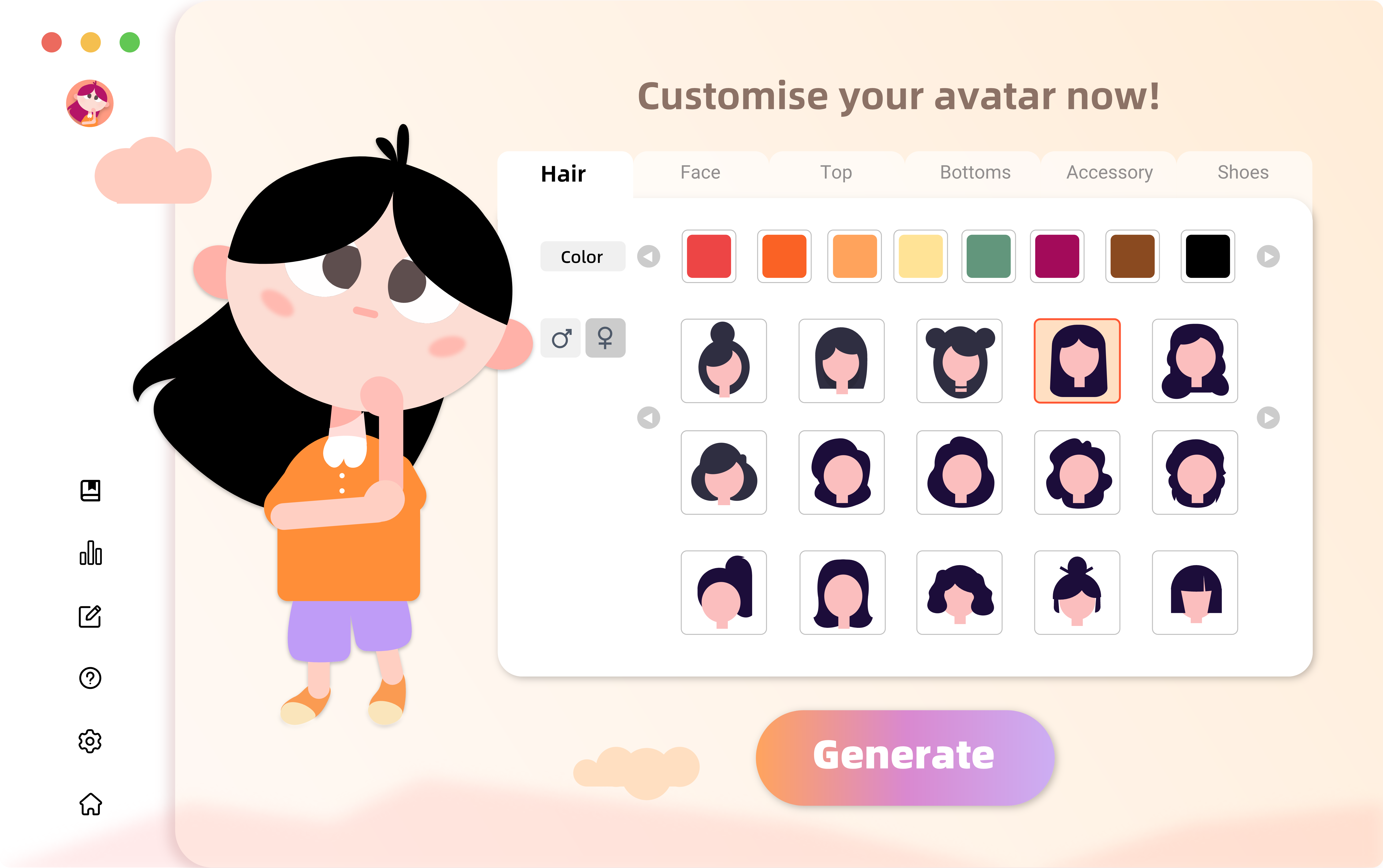
We introduced a customisable avatar to deliver reminders and educational content, prioritising long-term engagement over implementation simplicity.
The avatar creates a more engaging experience that helps sustain motivation over time.
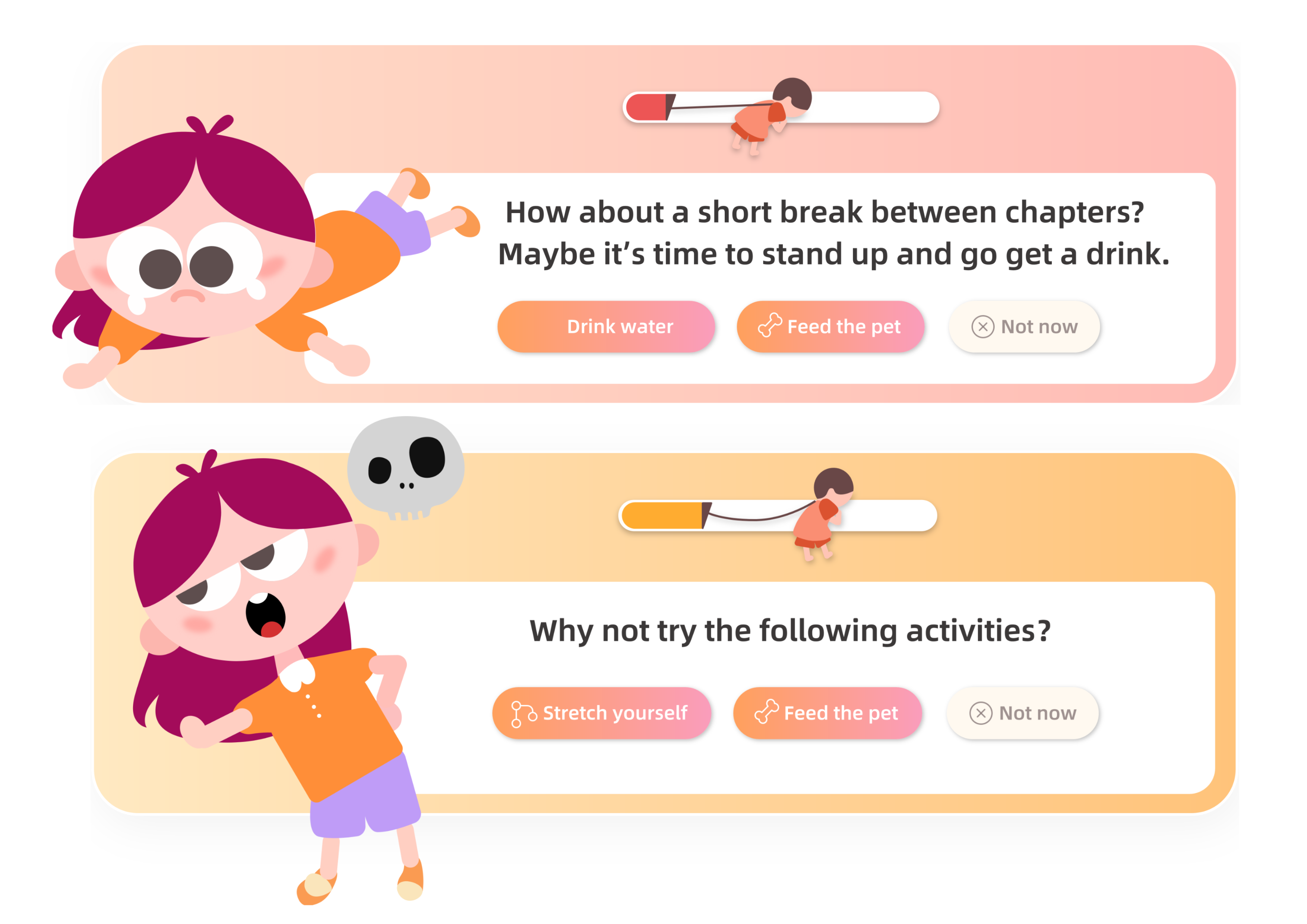
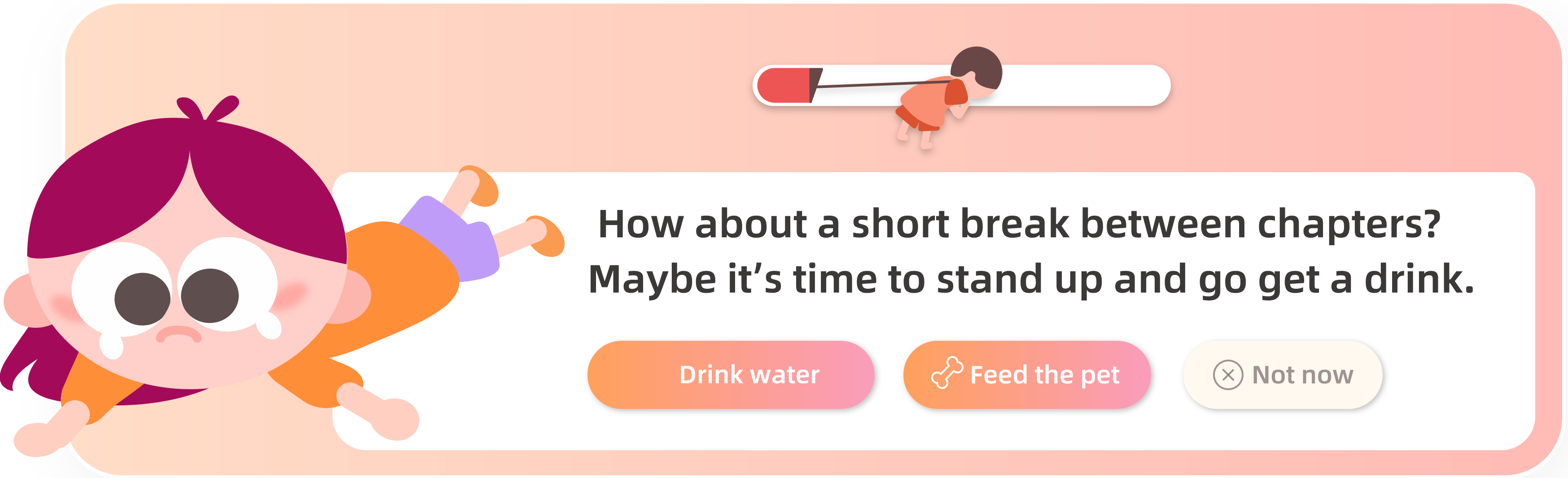
Generic reminders often interrupt users without providing meaningful support, making them easy to dismiss.
Rather than increasing reminder frequency, we focused on delivering context-aware guidance. We prioritised relevance over frequency.
Timely, actionable guidance reduces disruption and lowers the effort required to change behaviour.
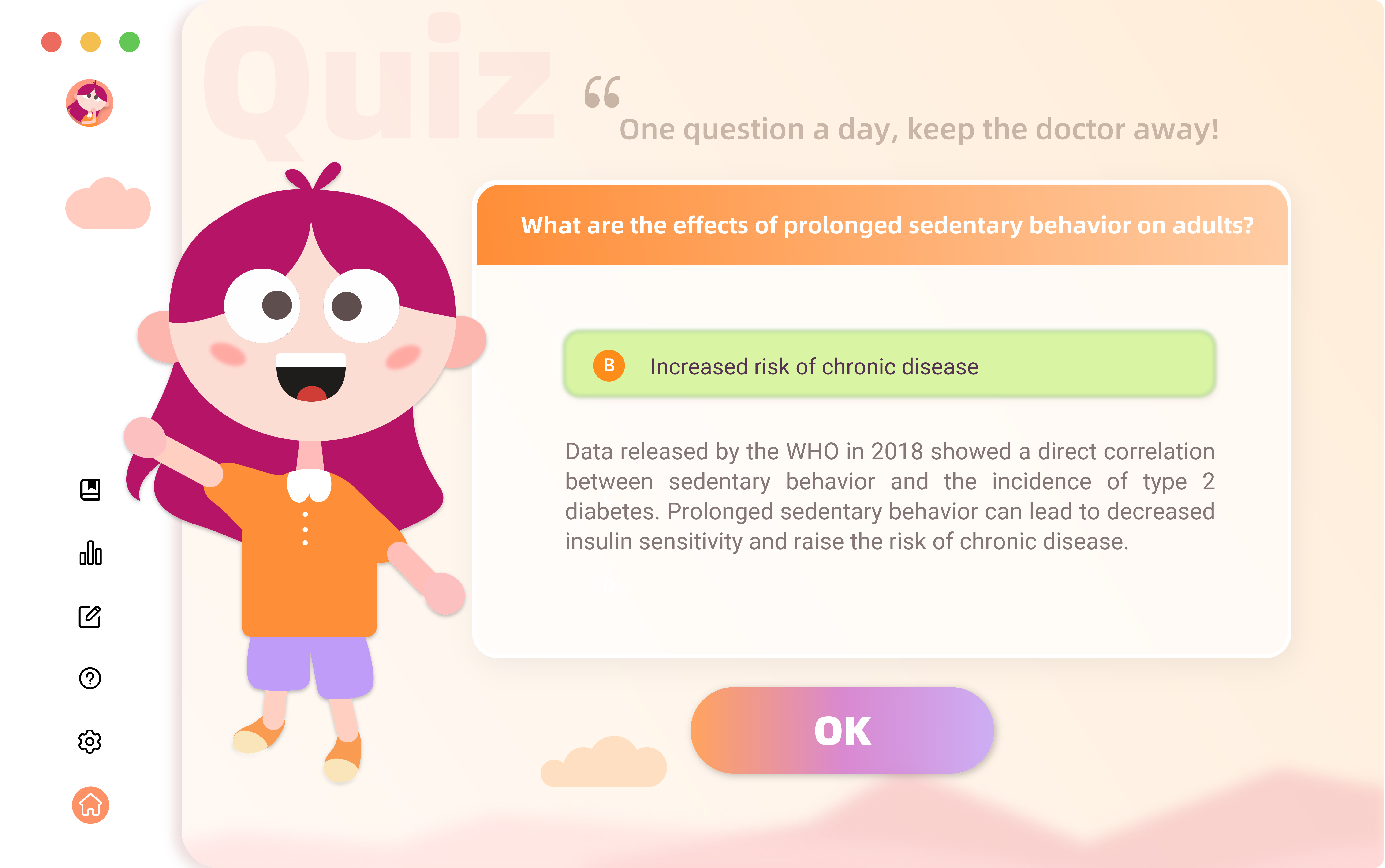
Long-term behaviour change requires not only reminders but also a deeper understanding of why change is important.
We incorporated lightweight daily quizzes to support awareness, confidence, and self-efficacy.
Continuous learning helps users build awareness and motivation to maintain healthier habits.
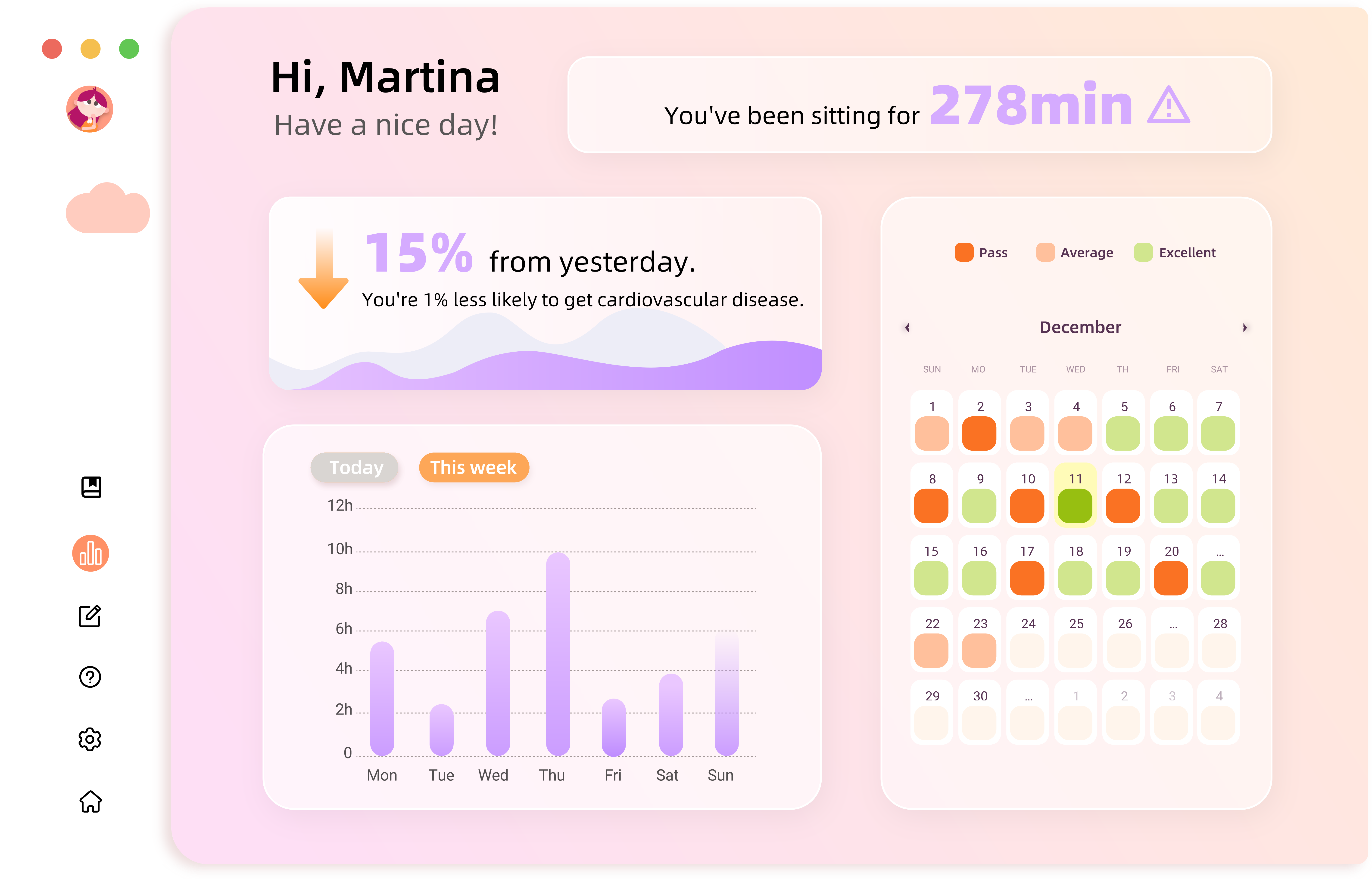
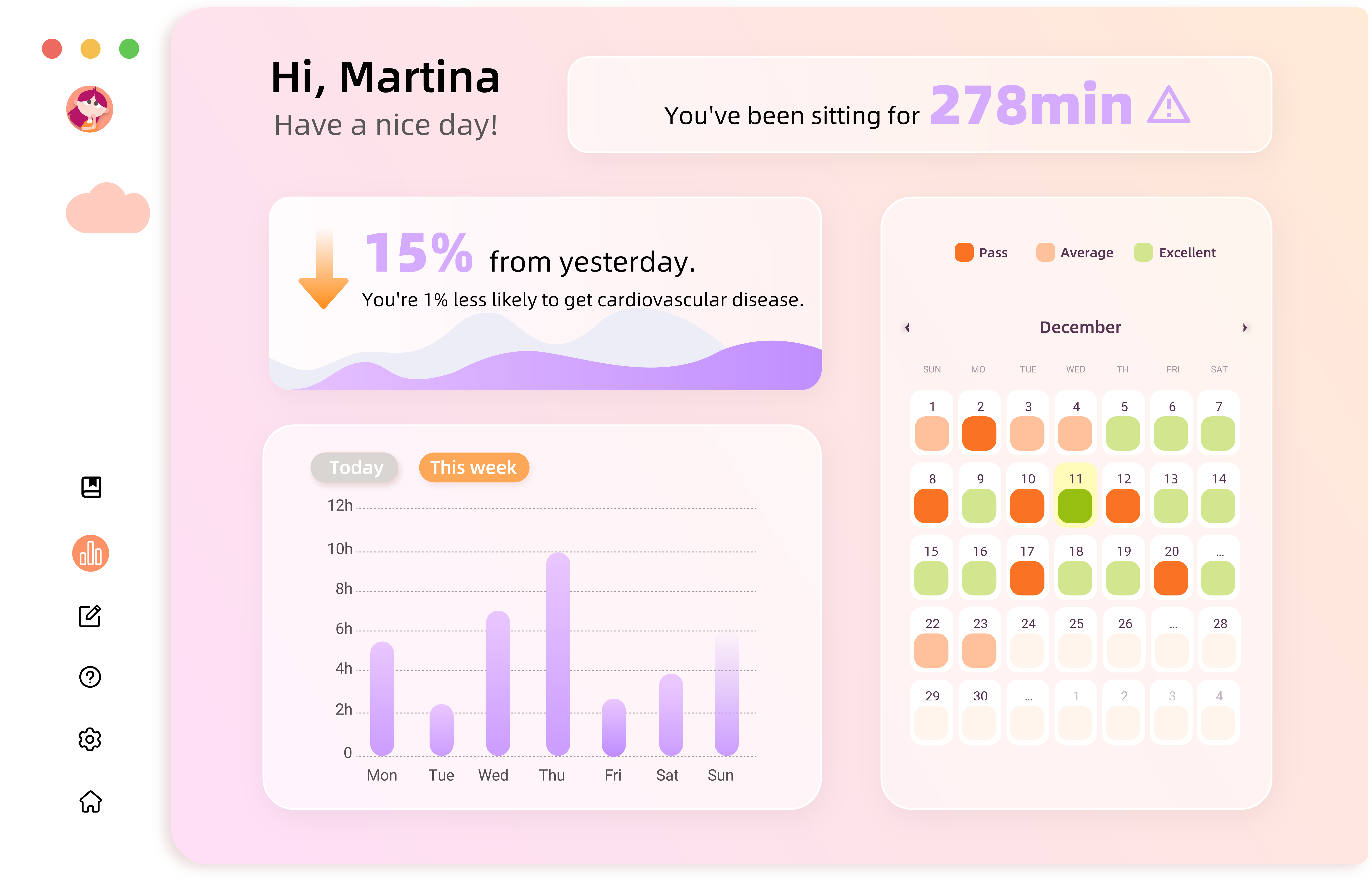
Participants found it difficult to recognise gradual improvements in their behaviour without clear feedback.
We focused on simple progress visualisation rather than advanced analytics, prioritising clarity over detailed reporting.
Clear progress tracking reinforces positive behaviour and encourages users to maintain healthier routines.
SoleMate focuses on home scenarios and prioritises seamless integration into daily routines. Setting the usage context early helped align the product with users' behavioural patterns.
Collaboration is not only working together but also learning from each other's strengths and weaknesses.
Direct user feedback is essential in shaping meaningful iterations. Balancing design thinking and real experience contributed to a stronger product.
Always happy to chat about research, design, or a good mystery.